
After spending 2 hours cleaning ourselves from the Holi colors, with a relative success (see previous article – we still had colors on our hairlines 4 days after), it was already time to take our first Indian night train!
Aparté on anxiety and travelling
I had read alarmist comments on Internet forums regarding women’s safety in those night trains… which was as realistic as reading Doctissimo to get a medical diagnosis. Sure, the world is not a safe place, especially for non hetero normative male individuals. “La peur n’évite pas le danger”, though (~ Fear does not avoid danger), and stressing out for both the bus and train night trips served me as a lesson: it was utterly useless to stress over daily, ordinary tasks.
Travelling through India is easier than ever nowadays, thanks to the Internet and to mobile apps. Booking public transportation in India can be done easily via the brilliant MakeMyTrip and redBus apps (even if one still needs 2 hours to register on the labyrinthine official Indian rail company!). Seasoned travellers have described online many complex local schemes, and have quickly become our saviors whenever we plan anything (shout-out to Soul India, for her comprehensive guide to Indian trains).
Expect to be pampered in Indian (night) trains: you are provided with a relatively comfortable bench, clean sheets and a pillow for a trip that costs you less than 10 euros per head. Suuure, trains can be late – but we have grown used to it after having lived in Hamburg for 5 years (wink wink Deutsche Bahn). Indians love being served, and train rides are no exceptions: you will see passing by vendors with hot chai, sweets, newspapers and even Domino’s pizzas (with the signature box backpack – this one took me by surprise).
We smoothly reached Jaipur, capital city of the state of Rajasthan. Rajasthan is the largest Indian state by area (roughly half the surface of Metropolitan France), and is covered by the Thar desert, also called the “Great Indian desert”. When we talk about “desert”, do not picture dunes but rather low vegetation and hot, dry air. Beside the Thar desert, Rajasthan is usually the first state that tourists visit, thanks to its spectacular royal cities, where Monghol influences beautifully blend with traditional Indian arts (rebuilt after being torn down by the Monghol) and other touches from the various conquerors who passed by.
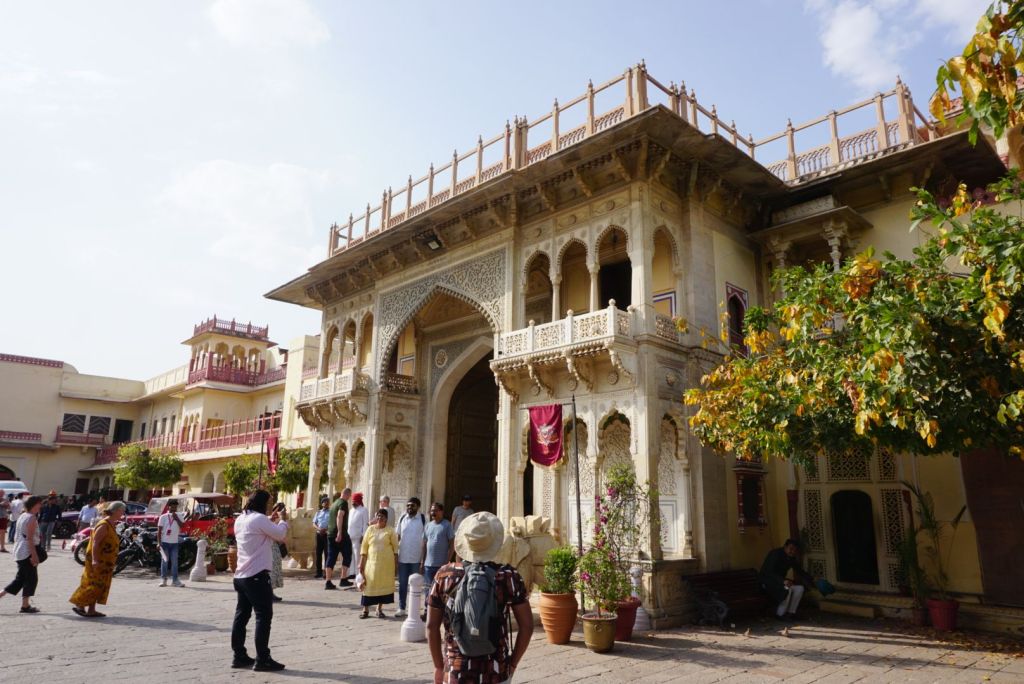
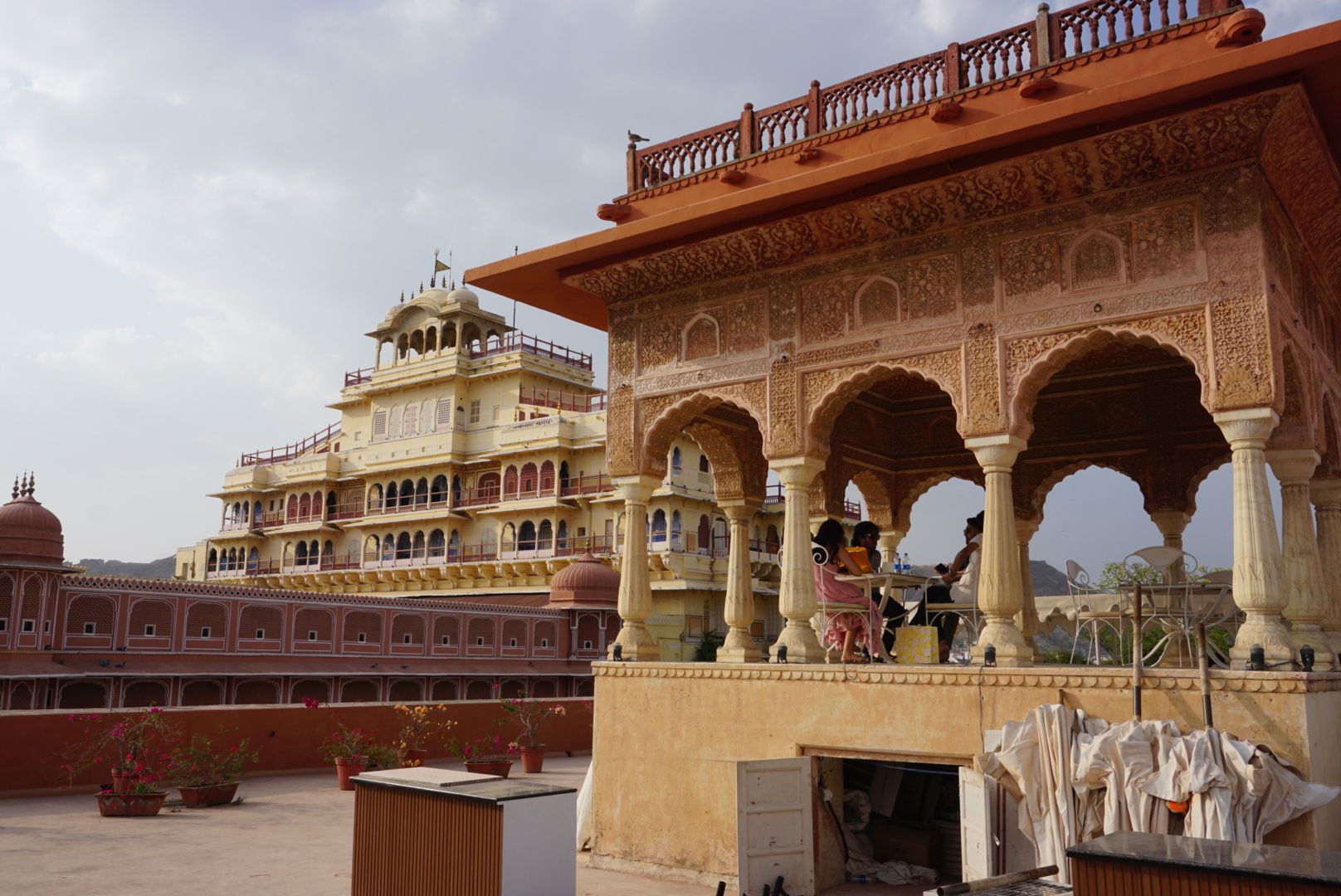
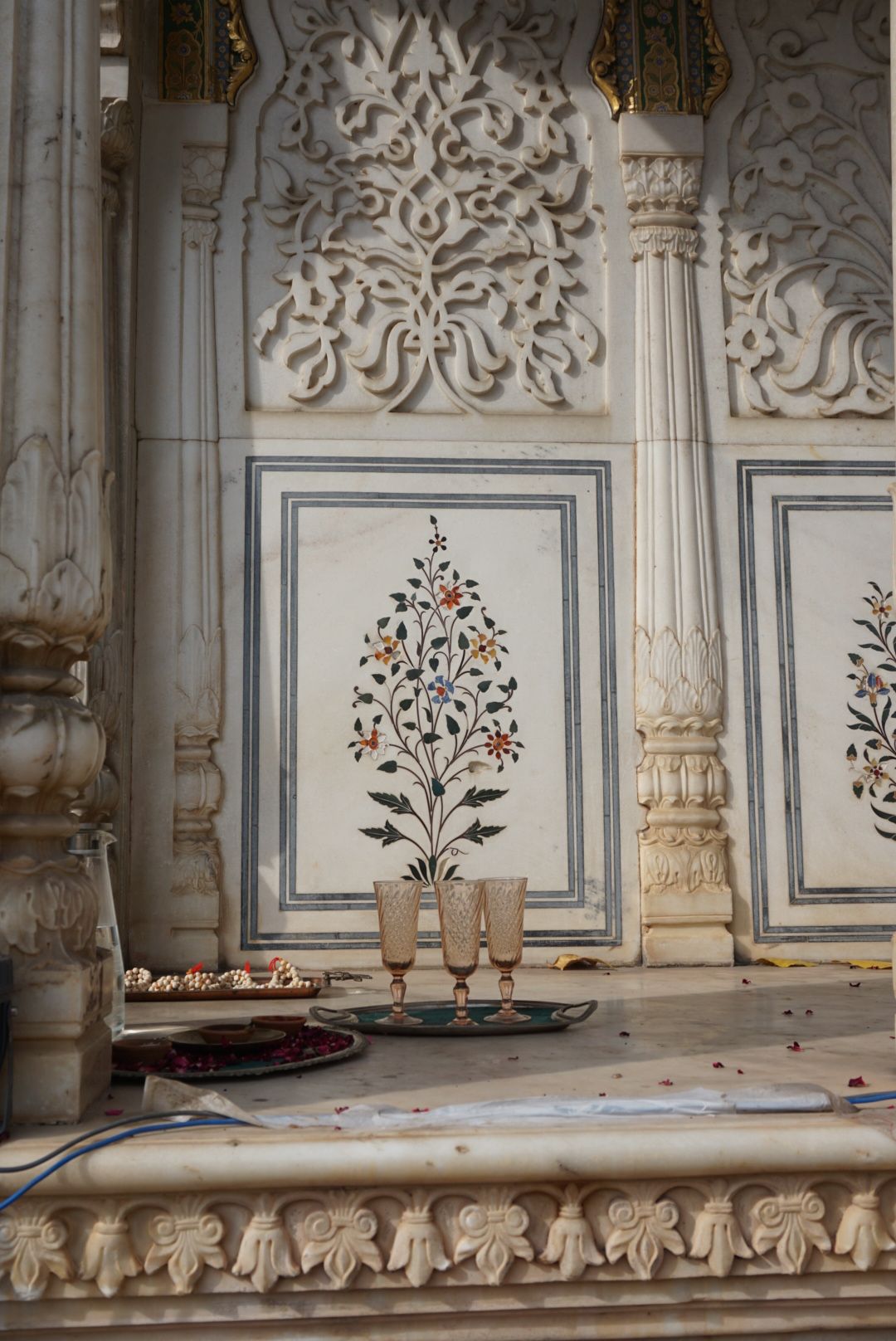
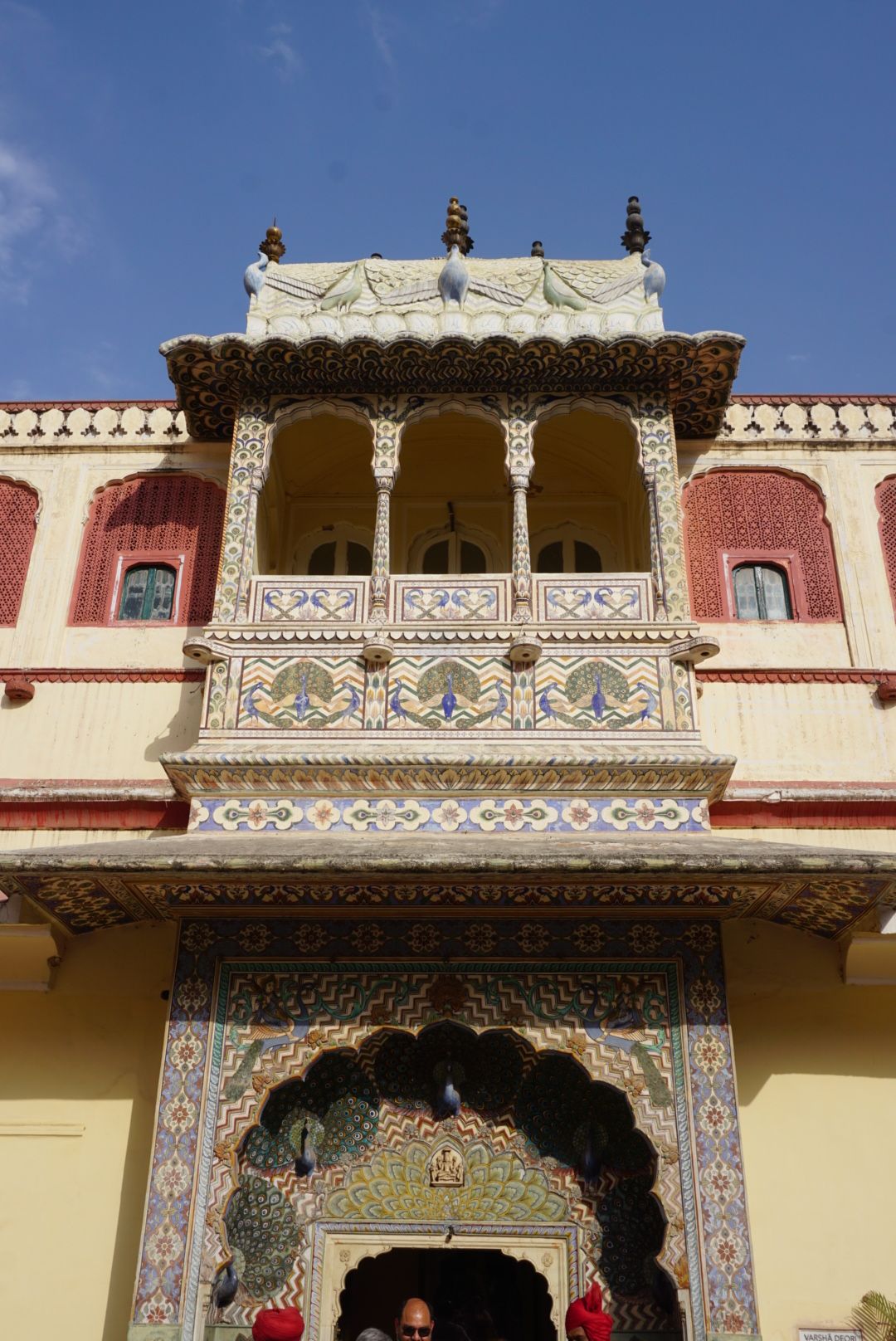
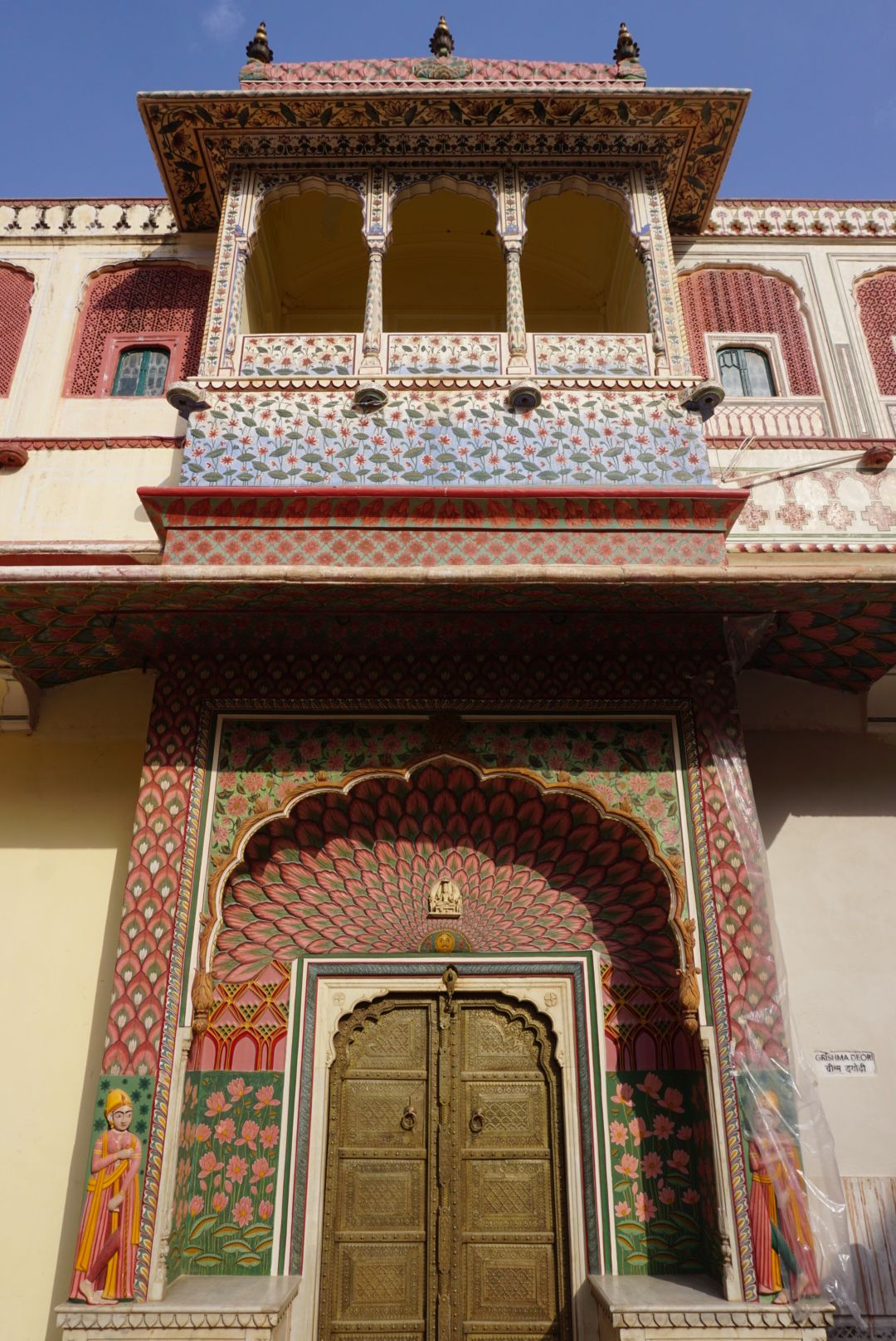
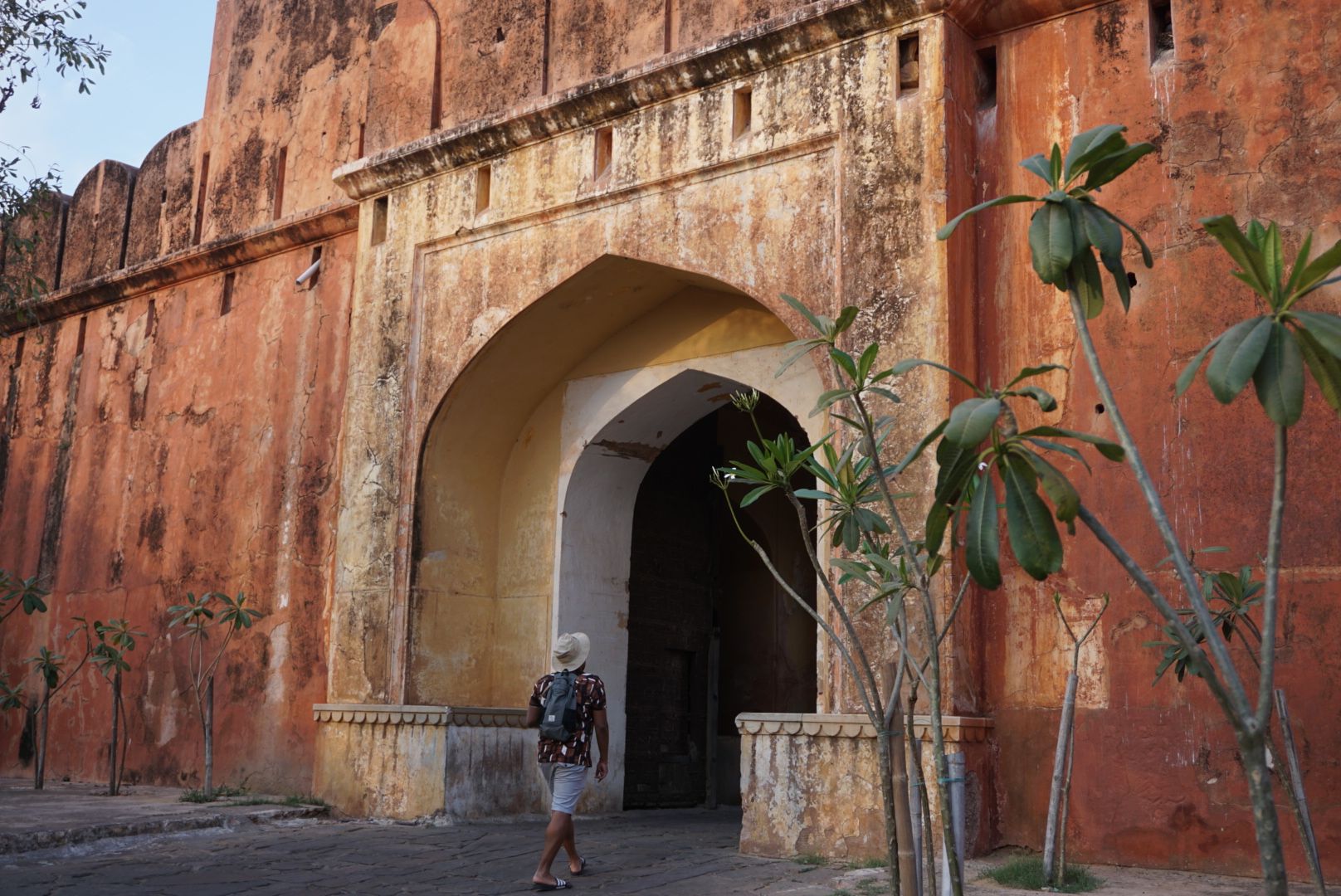
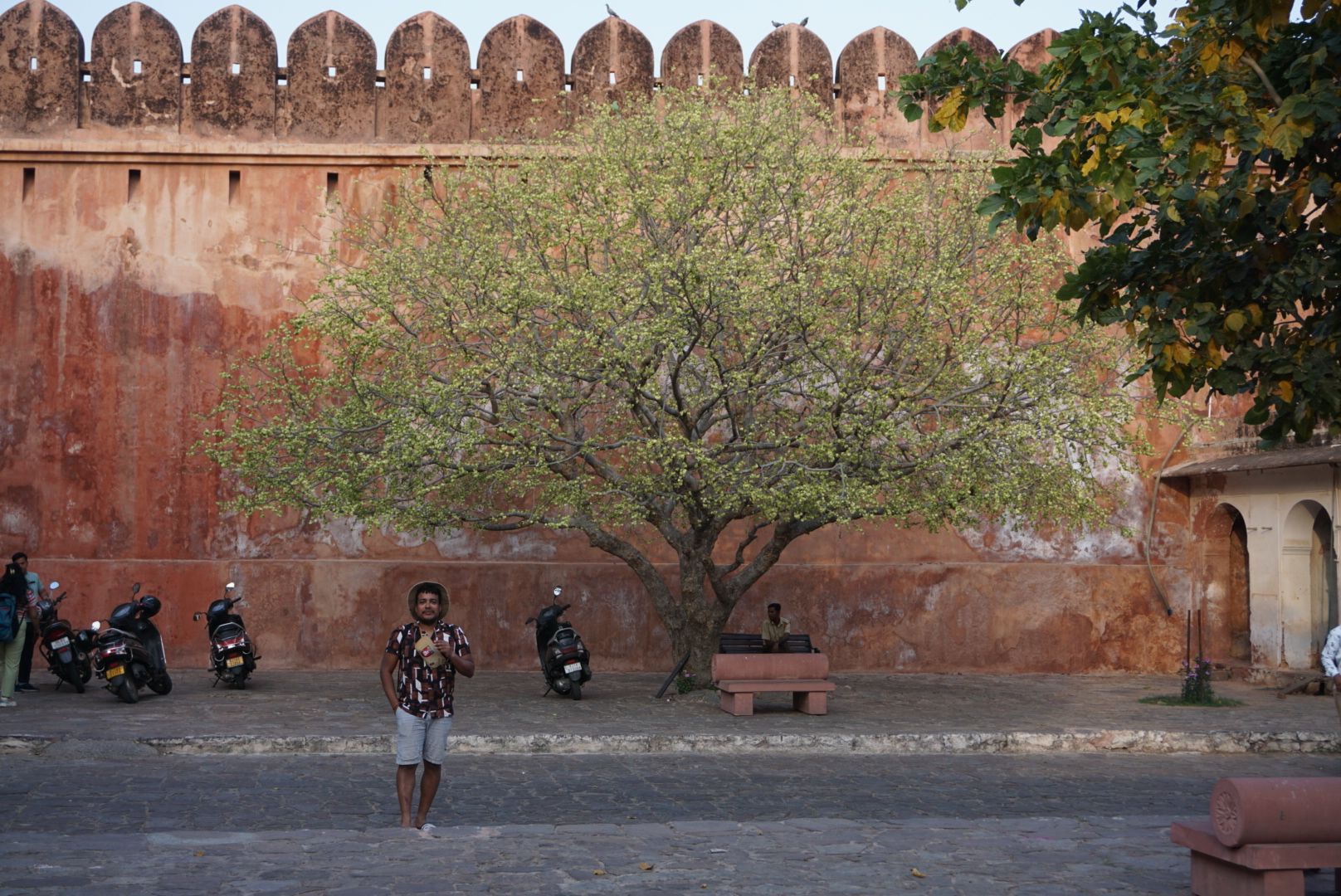
Jaipur is a majestic city, and the world knows it: there were tourists everywhere. Coming from South India, we felt a bit estranged from the crowds at first. But Jaipur is fully worth it: from the quite recent City Palace, dating back to the XVIIIth century and still hosting the current royal family, to the Jaigarh Fort, which overlooks the city, and the Water Palace, floating on the lake waters.
After this great first day, I had the pleasure to experience… my first food poisoning episode. By luck, we were staying at a great hotel for the first time of our trip and I was taken care of by Dimitri, who used every service offered by the Hotel Arya Niwas (big up to him, to the staff and to the on-call doctor). Food poisoning in India had been a given, with a weak stomach like mine; I was honestly quite surprised that I had lasted that long without!
Exhausted by a far-too-intense itinerary, the heat, the constant honking and sound pollution of the cities, the constant presence of other human beings, we really needed some rest. Our next stop, Pushkar and its holy lake, came with a great timing. Pushkar is a holy land, so are you told when you enter the city: here are forbidden drinking alcohol, eating cows or walking around the sacred lake with shoes on. (Off the record, Pushkar is also known with its extensive drug offering – one’s gotta pick their battles!)
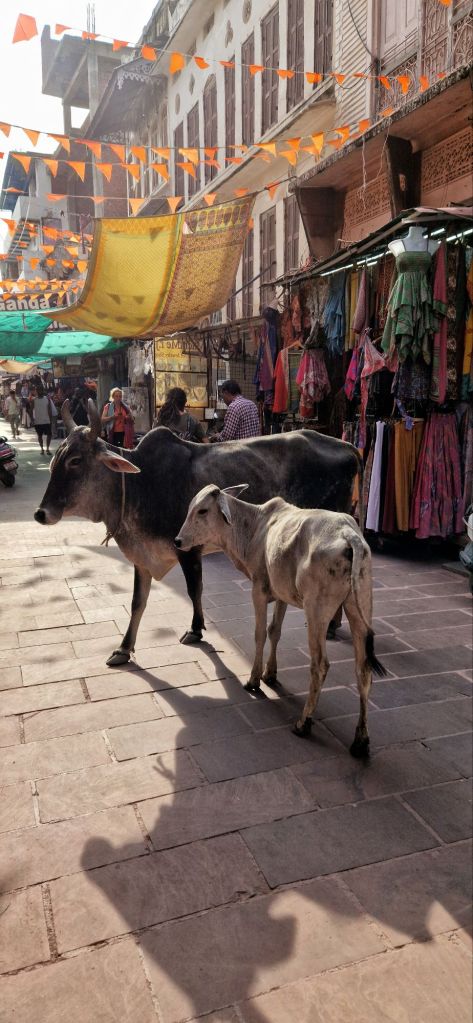
Cows e-ve-ry-whe-re. Their rightful owners come pick them up in the evening, so you see inhabitants steering them with sweets and grass when it is time to come home. Or when they are just completely blocking narrow streets with their wide bodies.
Exit the tourists, welcome the pilgrims and the Western hippies. Many Hindu pilgrims come to Pushkar, to wash away their sins in the holy waters. Why Pushkar? Among the many Hindu gods, one can note a Trinity: Brahma the Creator, Vishnu the Preserver and Shiva the Destroyer (if you want to know more about it, the Bibliothèque Nationale de France has done a great reader digest in French here – many other available in English with a quick Google search).
The legend says that Brahma dropped a lotus flower during a fight with a demon, which created the Pushkar lake. Lord Brahma sat in front of the lake, meditating for thousands of years. When he felt ready to go on with a key ritual for the world creation, he asked for his wife, who was staying on top of the mountain nearby. Problem: this ritual absolutely needed to be performed by spouses. When his wife did not answer the many callings, Lord Brahma decided to marry a local, unwed girl. Furious, his first wife came down and cursed him not to be worshipped anywhere but in Pushkar. Pushkar hosts then the only two temples dedicated to Lord Brahma in the world.
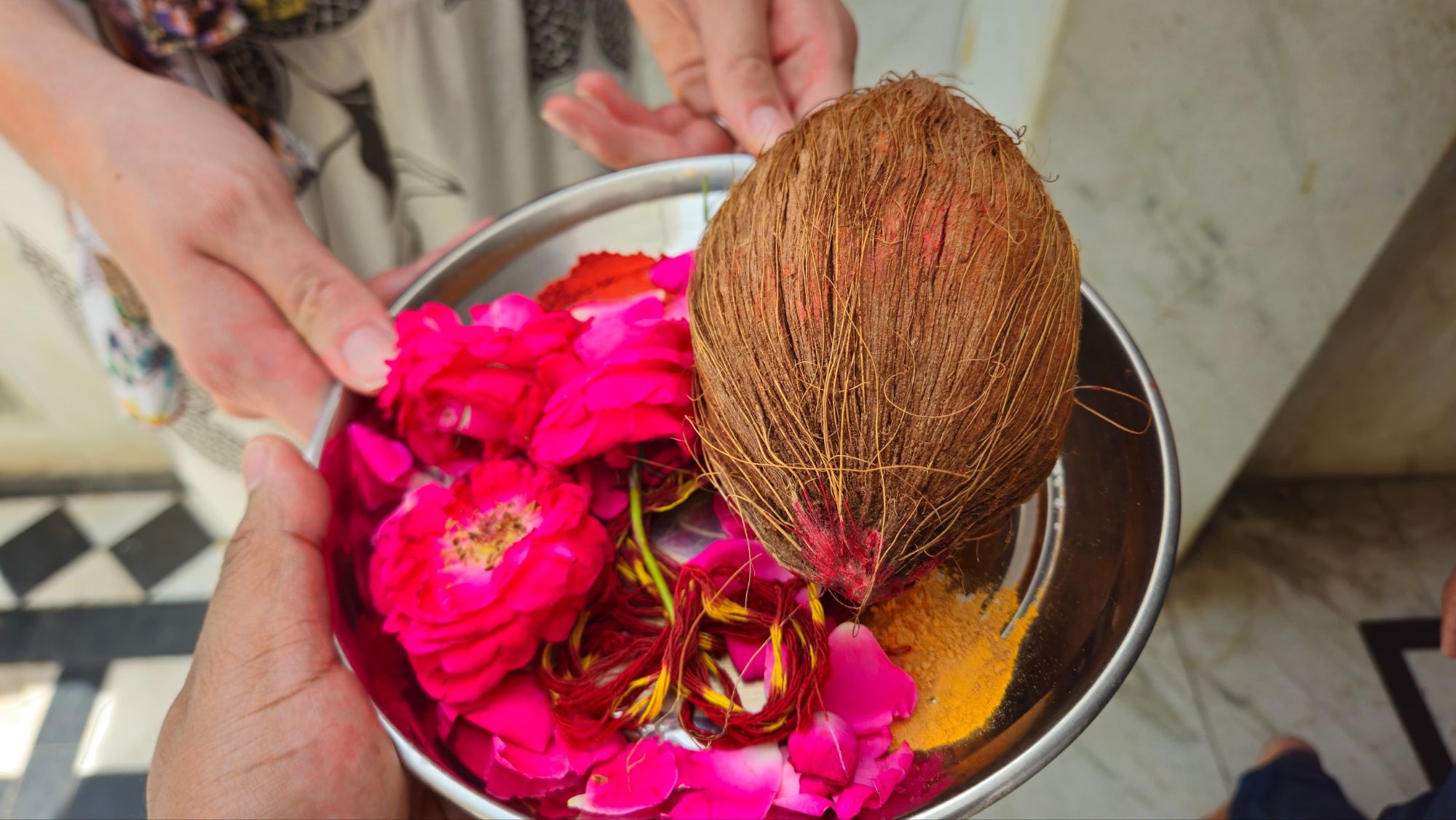
Thanks to Manish and his agency The Pushkar Route, we have even been able to perform the Puja ritual, designed to bring happiness to our family, respect to our elders and required before washing sins away. In an out-of-the-world moment, we repeated prayers in Sanskrit and paid our respects. I know that this might look like a tourist attraction; it does not matter, the important part is to reflect on oneself and open oneself to different traditions (opening one’s chakras, if I dare say… :-))
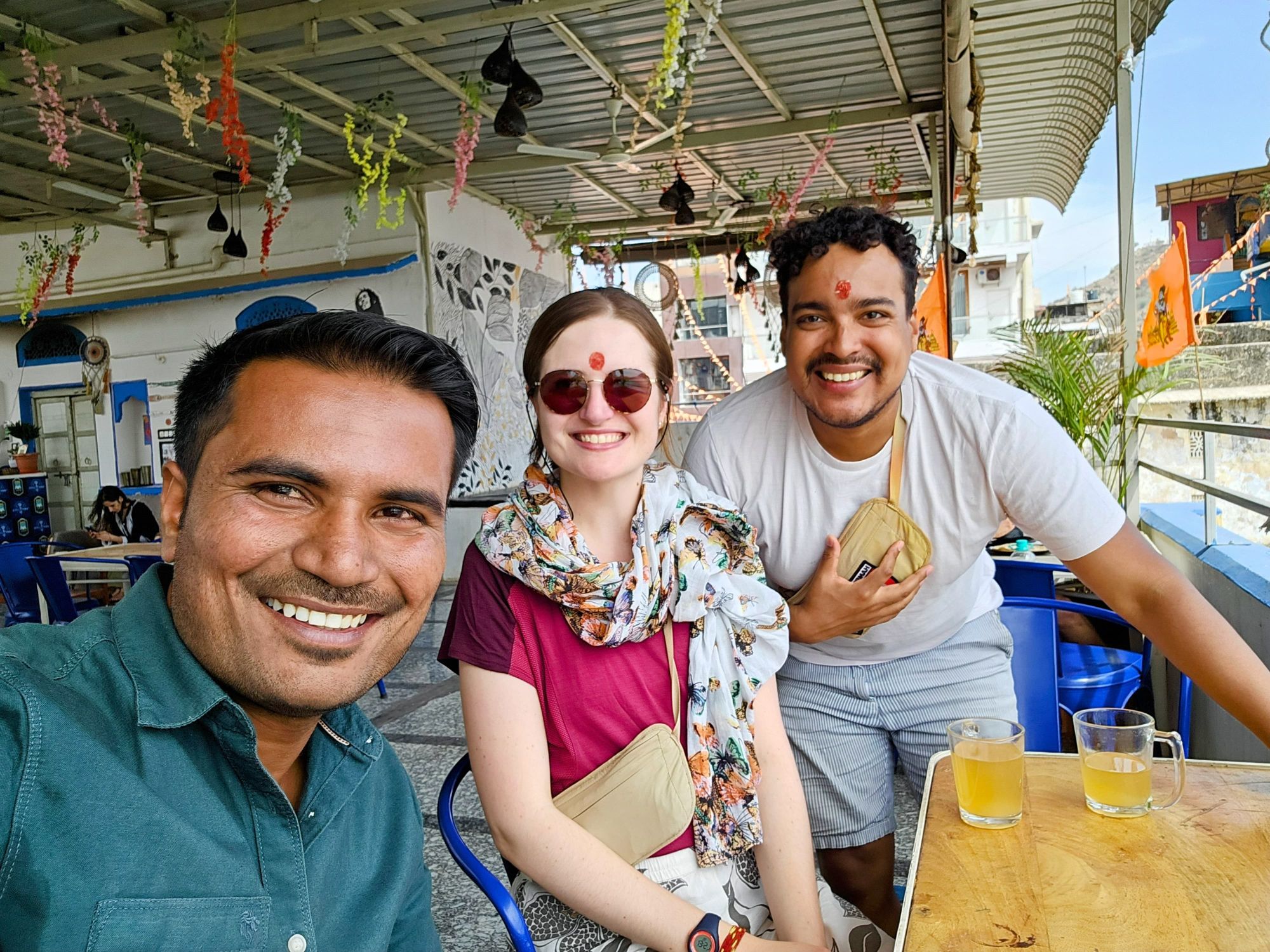
What else did we do in Pushkar? Nothing, and it was a blast: we ate, we slept, we chilled. And it was about time!
We are now in Udaipur, the white city and its peaceful, glittering lakes – see you soon!


 Breathe In The World
Leave a reply to Elise Cancel reply